
Blog
Pest Calendar for the Mediterranean Garden
What pest to watch for each month to act at the first signs, not when the crop is lost.
Pests do not appear "suddenly": they follow temperature, budding, and water stress. A calendar is not a sentence; it is a watch list to check the underside of the leaf in time.
End of Winter and Spring
February-March: aphids on shoots of aromatic plants and potted citrus; substrate gnats if you have overwatered indoors. April: green aphids on young tomatoes and peppers, ants herding, snails with the first mild rains.
May: whitefly in greenhouses and glazed terraces; first caterpillars on tomatoes if there are night butterflies. Check the underside and apical shoots weekly.
Summer
June-August: red spider mite with dry heat (yellow spots and fine web). Thrips on pepper flowers. Tomato hornworm at night. Irregular watering triggers everything: stressed plant = happy pest.
Autumn
September is still summer for the spider. With the first rains, slugs return. Clean up debris: pupae hibernate in the substrate and on old stakes. A timely potassium soap in September prevents entering winter with a mealybug colony on indoor plants coming back home.
What We Recommend at Control Garden
Agricultural soap, ant gel, and one habit: 5 minutes of inspection per week. The products work when you arrive early.
Recommended products
View catalogue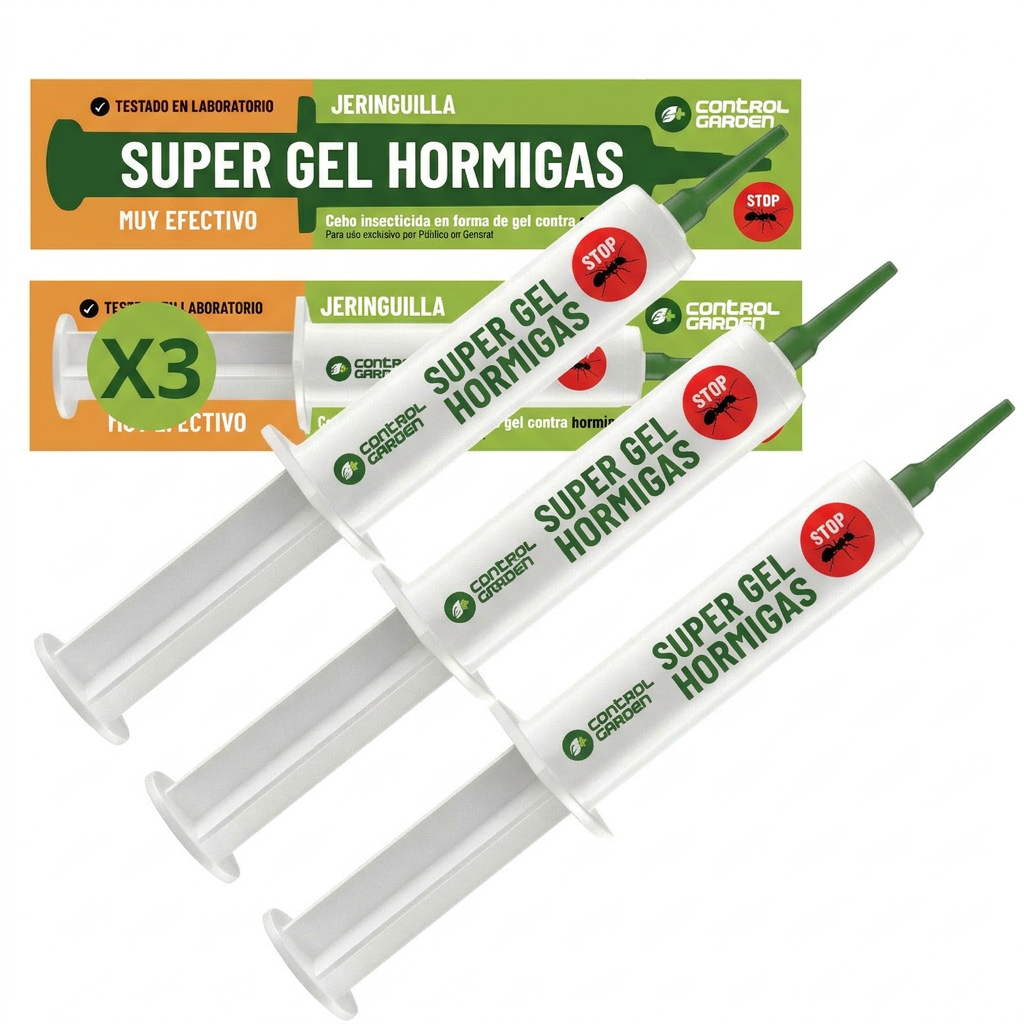 -15%
-15%
Ant Gel Syringe 10 g · Pack of 3 units to eliminate ants indoors and outdoors
Volume discount from 2 units
 -15%
-15%
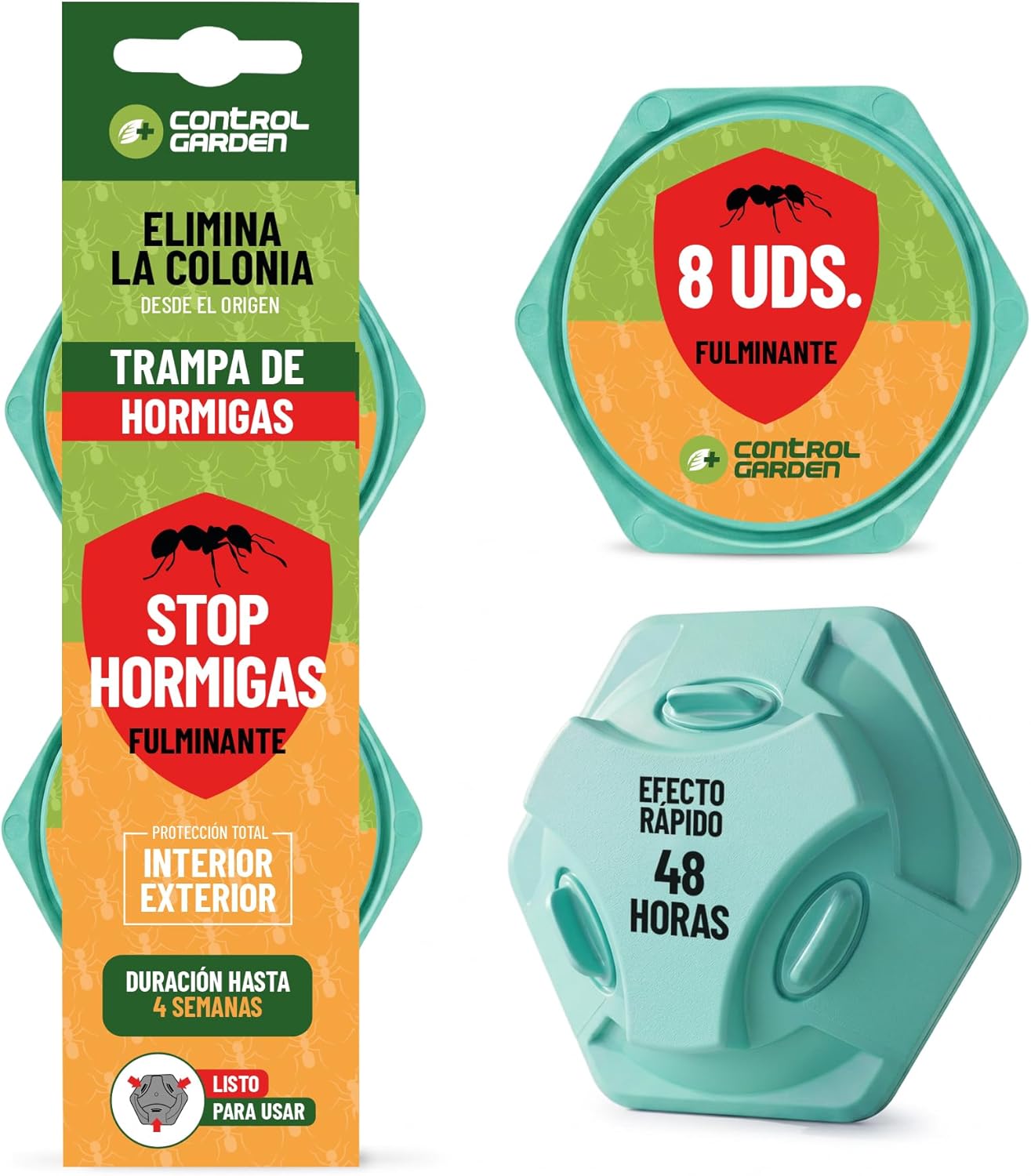
Ant Trap x8 Super Attractive Gel · Eliminates Colony and Queen
Volume discount from 2 units
 -15%
-15%
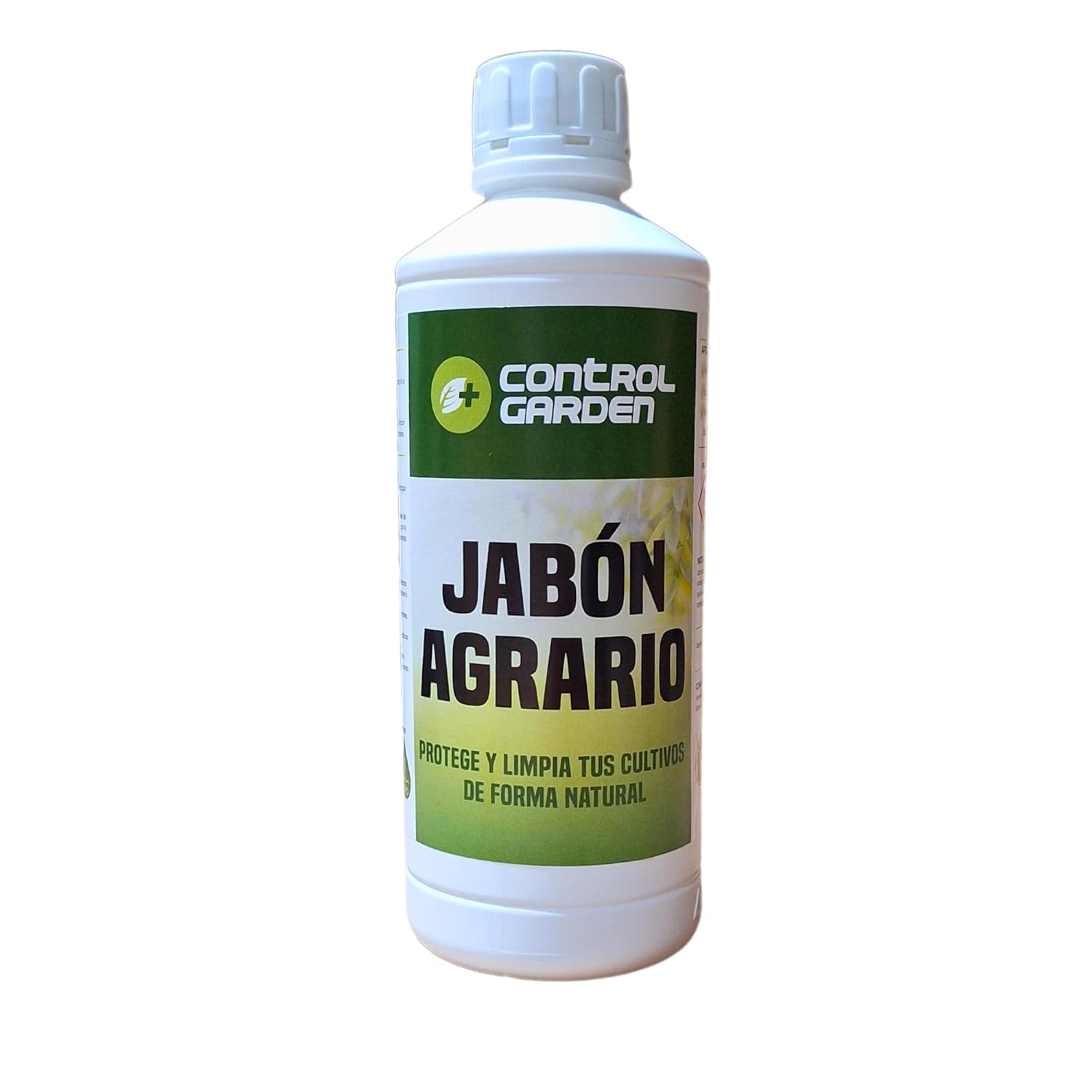
Potassium Soap 1 L
Volume discount from 2 units
FAQs
Does the same calendar work in the humid north?
What should I check if I only have 2 minutes?
Should I treat 'just in case'?
Keep reading
All universesAphid
Soft insects on shoots and undersides. Honeydew, ants, and viruses. Act at the first curl.
Red Spider Mite
It's not an insect: it's a mite. Soap spray on the underside and increasing humidity help.
Tomato Caterpillar
Fruit with a clean hole and remnants inside: caterpillar. Look at night on the underside.
Whitefly
The white cloud when moving the leaf is the adult. The nymphs on the underside are the real problem.
Soil Mosquito
The adult is a nuisance; the larva feeds on fine roots of seedlings. The cause is overwatering.