
Guides
How to Prevent Mold in Seedlings
Seedling mold is prevented with air and drainage, not more humid heat.
The white fuzz or the little stem that falls like a matchstick is damping-off. Once a cell turns gray, the neighbor is next in line. This guide is for prevention and first aid.
Prevention
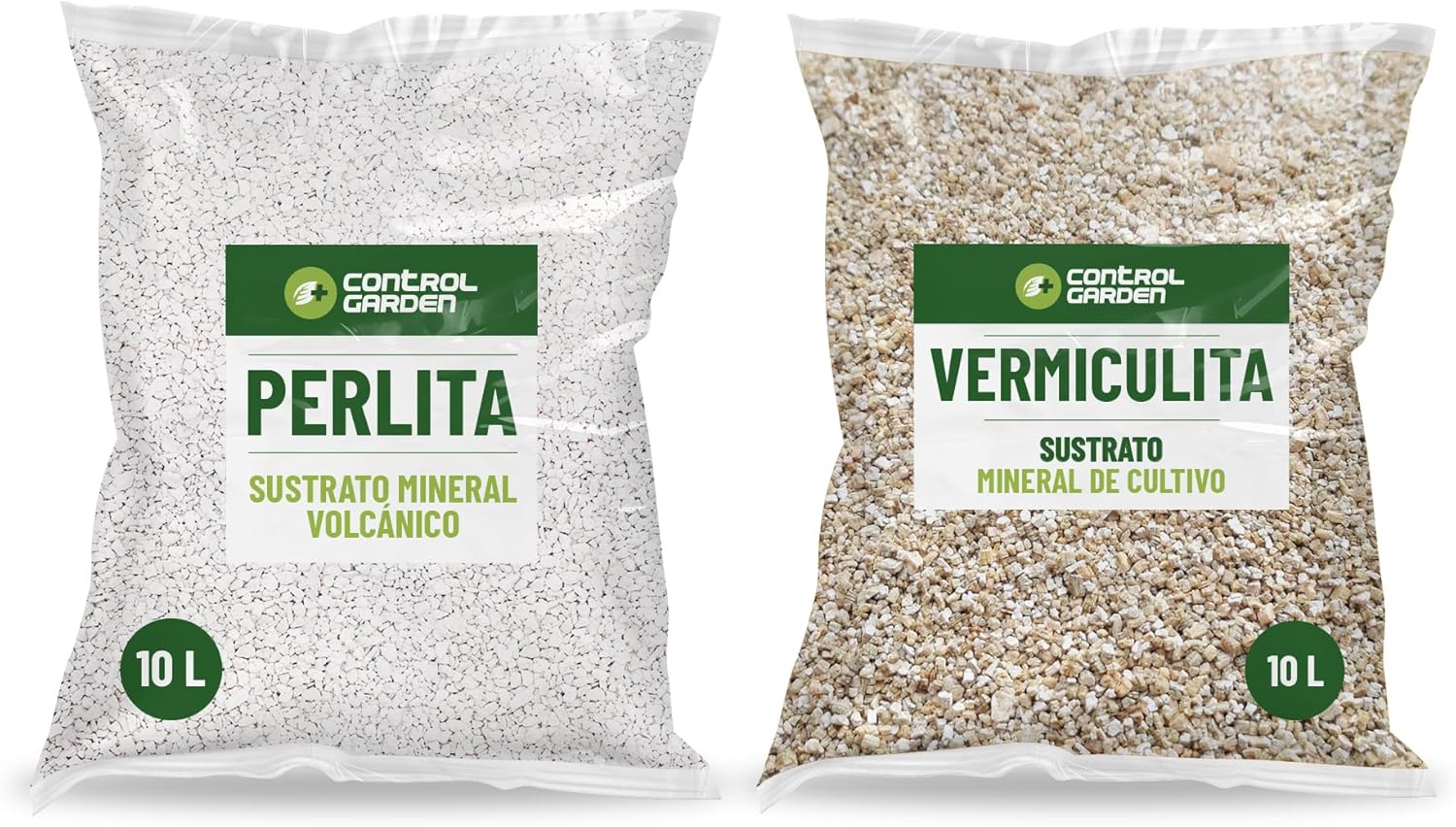
Clean tray, new substrate, less dense sowing, open lid as soon as they germinate, bottom watering, and a surface layer that dries between waterings. A little perlite on the surface cuts the moisture bridge.
If Mold is Present
Remove fallen seedlings and the substrate from that cell. Lower humidity, increase air (a gentle fan, not a gale). Do not water for 24-36 hours if the others are holding up. Do not “save” with more hot water.
What Not to Do
Do not reuse infected substrate in the next seedling tray. Do not crowd 30 tomatoes in a container without holes. Bottom heat helps germinate; heat without air cooks fungi.
What We Recommend at Control Garden
Seedling trays with cells and coco-perlite mix. Cheap plastic without drainage is mold's best ally.
Recommended products
View catalogue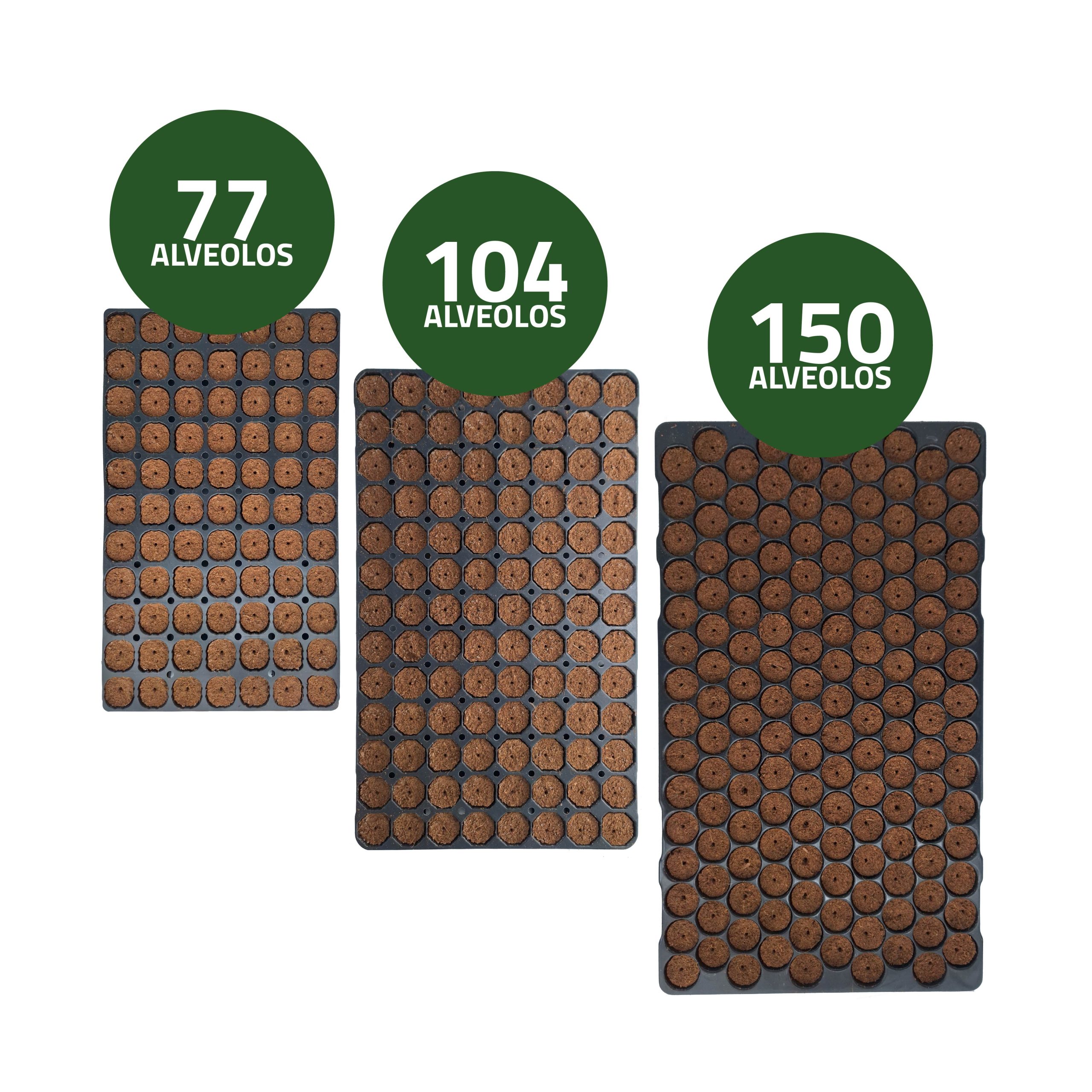
FAQs
Is the white fuzz always a fungus?
Cinnamon or garlic?
Can I save the remaining ones?
Keep reading
All universesWhat should I do if the seed tray has mold?
Isolate the gray cell, lower humidity, and save the rest with a dry surface.
Seedling Germination Guide
From seed to root ball: trays, substrate, light, and mistakes that rot seedlings.
Seedling Tray
Container and technique for germinating with moisture control and separated roots.