
Glossary
Soil pH
pH determines if the plant absorbs nutrients or just looks at them. Definition and useful ranges.
pH is the scale of acidity or alkalinity. In the substrate, an out-of-range number leaves iron, phosphorus, or calcium 'bound' even if fertilizer is present.
Ranges
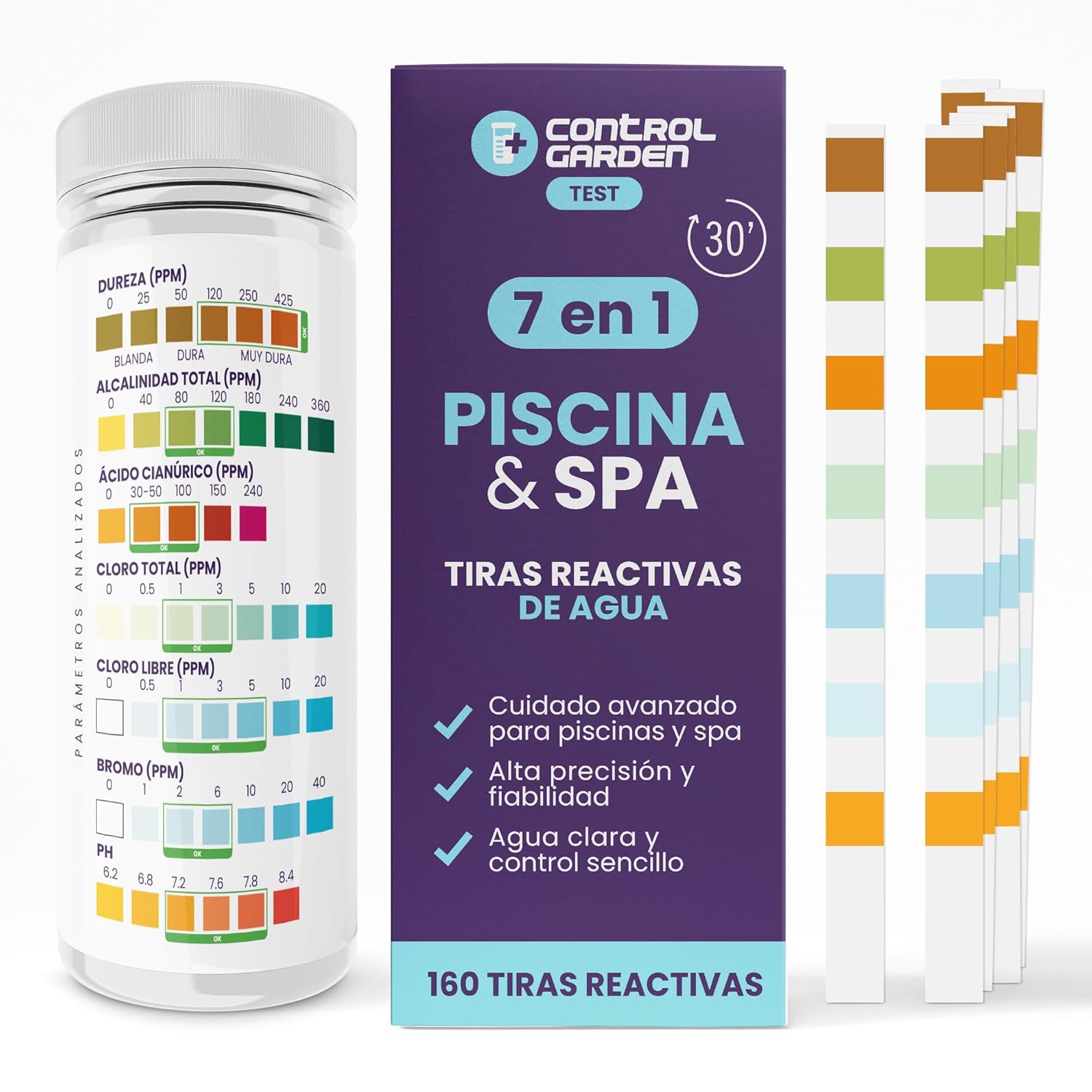
Most vegetables thrive between 5.8 and 6.5 in coco or light hydroponics, and 6.0-6.8 in soil. Blueberries prefer more acidity; lavender tolerates slightly higher. A swimming pool is not a substrate: its target pH is 7.2-7.6.
How to Measure
Use irrigation water strips or runoff solution. In soil, a saturated paste. Do not confuse tap water pH with the pH of the root ball after fertilizing.
Common Mistakes
Correcting wildly with vinegar or lemon. Use pH products designed for the medium. A jump of 1 point is drastic for the roots.
What We Recommend at Control Garden
Water and pool test strips according to use. Measuring is cheaper than guessing yellowing.
Recommended products
View catalogue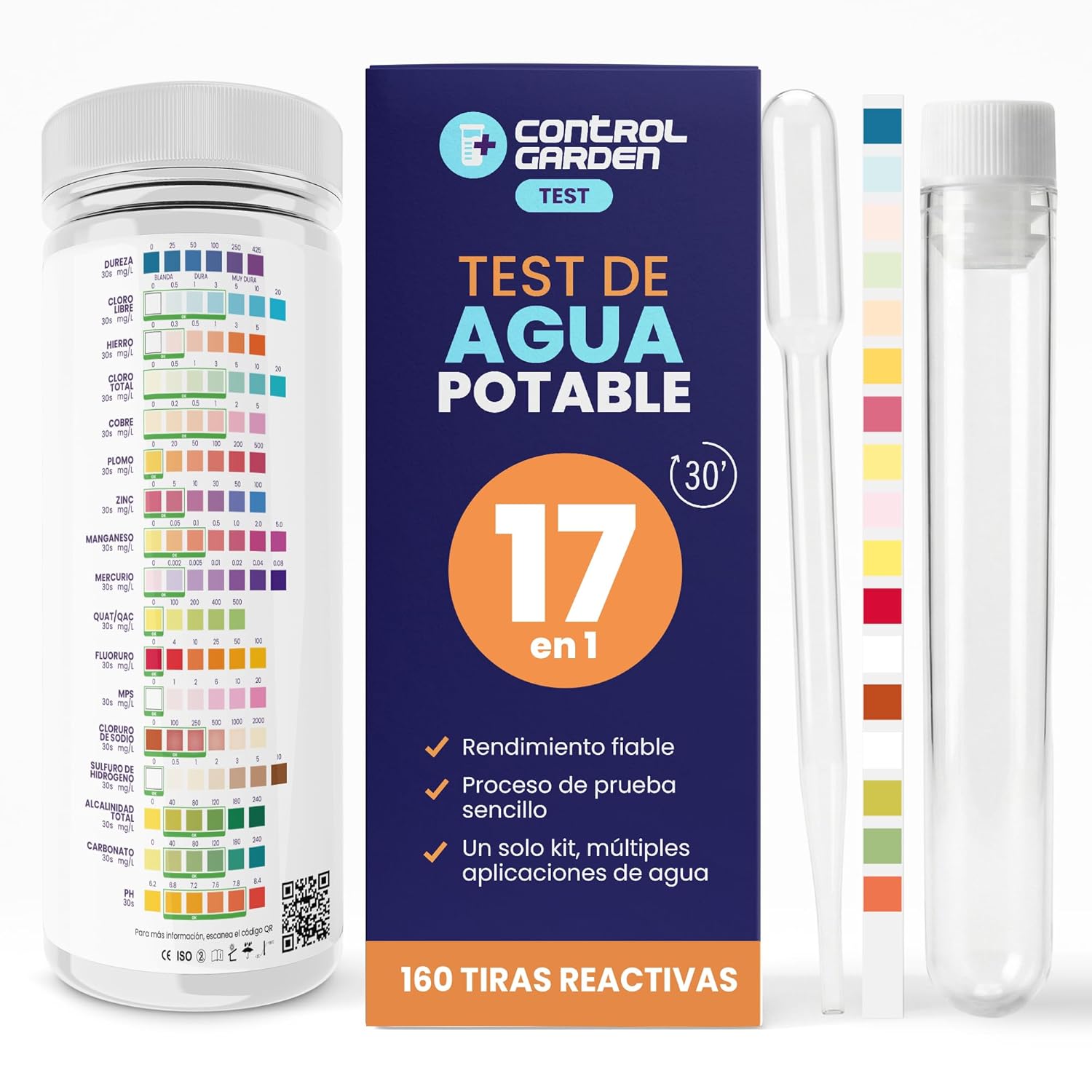
FAQs
Is tap water pH okay?
Does perlite change pH?
Yellow leaves and high pH
Keep reading
All universesNPK
The three numbers on the package: leaf, root/flower, and fruit. How to read them without magic.
Coconut Fiber for Cultivation
The solution to compacted soil. Fertilizes from day one.
How to Measure Pool pH with Strips
From strip to dosage: measure accurately and adjust pH before adding chlorine.